W
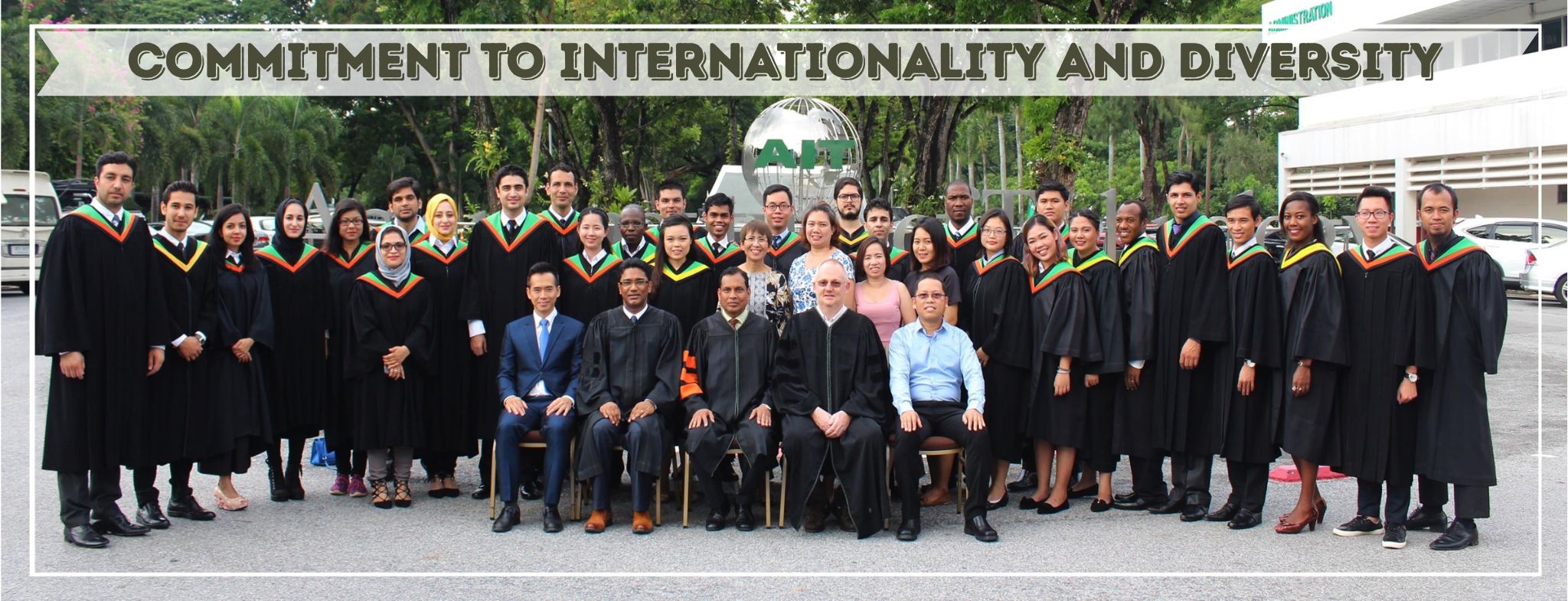
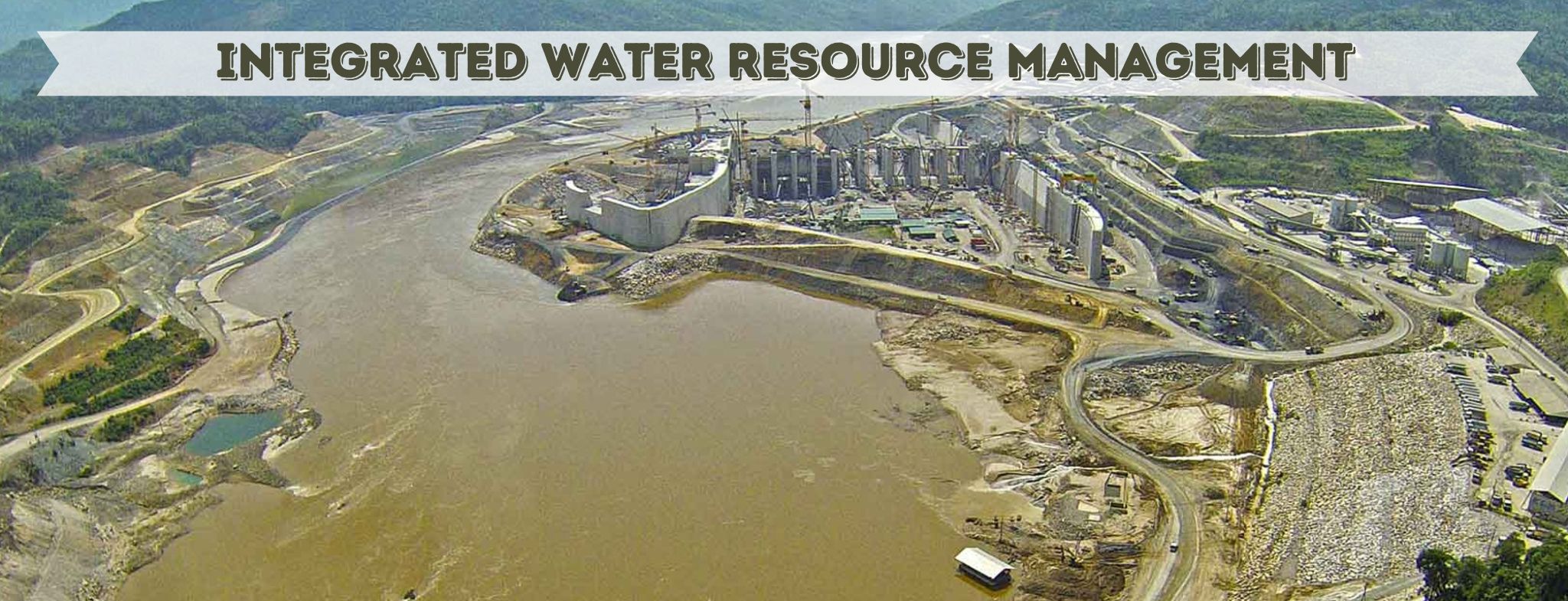
ater Engineering and Management (WEM) program imparts education and training toward an understanding and solving the complexity of water resources development and management problems in the context of global drivers of change. It offers a balanced curriculum, which covers both the engineering and management aspects of water resource development and management. Students are trained to acquire knowledge and skills in tools and techniques to come up with viable and sustainable solutions within the framework of the integrated water resources management at the river basin scale. Water Engineering and Management program covers five major areas – Agricultural Water, Coastal Water, Urban Water, Water Resources, and Climate Change, Extreme Events and Risk Management.
WEM NEWS
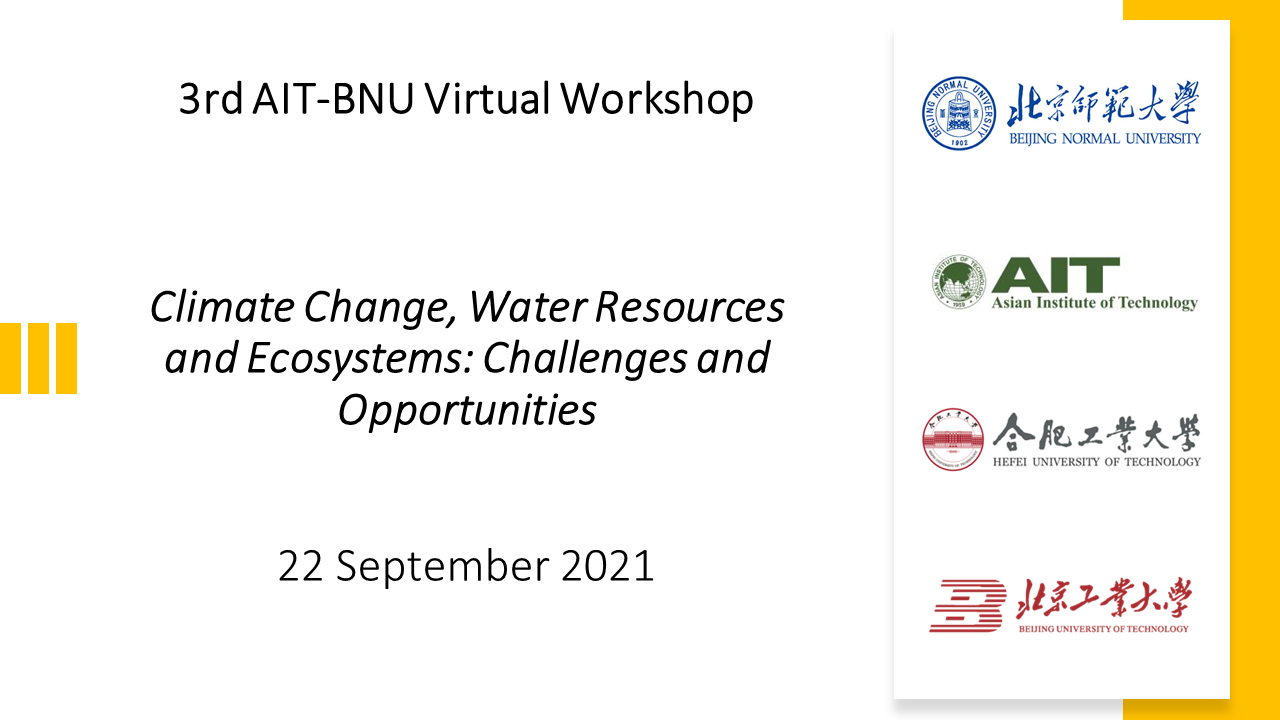
3rd AIT-BNU Virtual Workshop on Climate Change, Water Resources and Ecosystems: Challenges and Opportunities
Asian Institute of Technology (AIT), Thailand jointly with Beijing Normal University (BNU), Hefei University of Technology (HFUT) and Beijing University of Technology (BJUT) have organized the 3rd AIT-BNU Virtual Workshop on "Climate Change, Water Resources and Ecosystems: Challenges and Opportunities" on Wednesday, 22 September 2021. In [...]
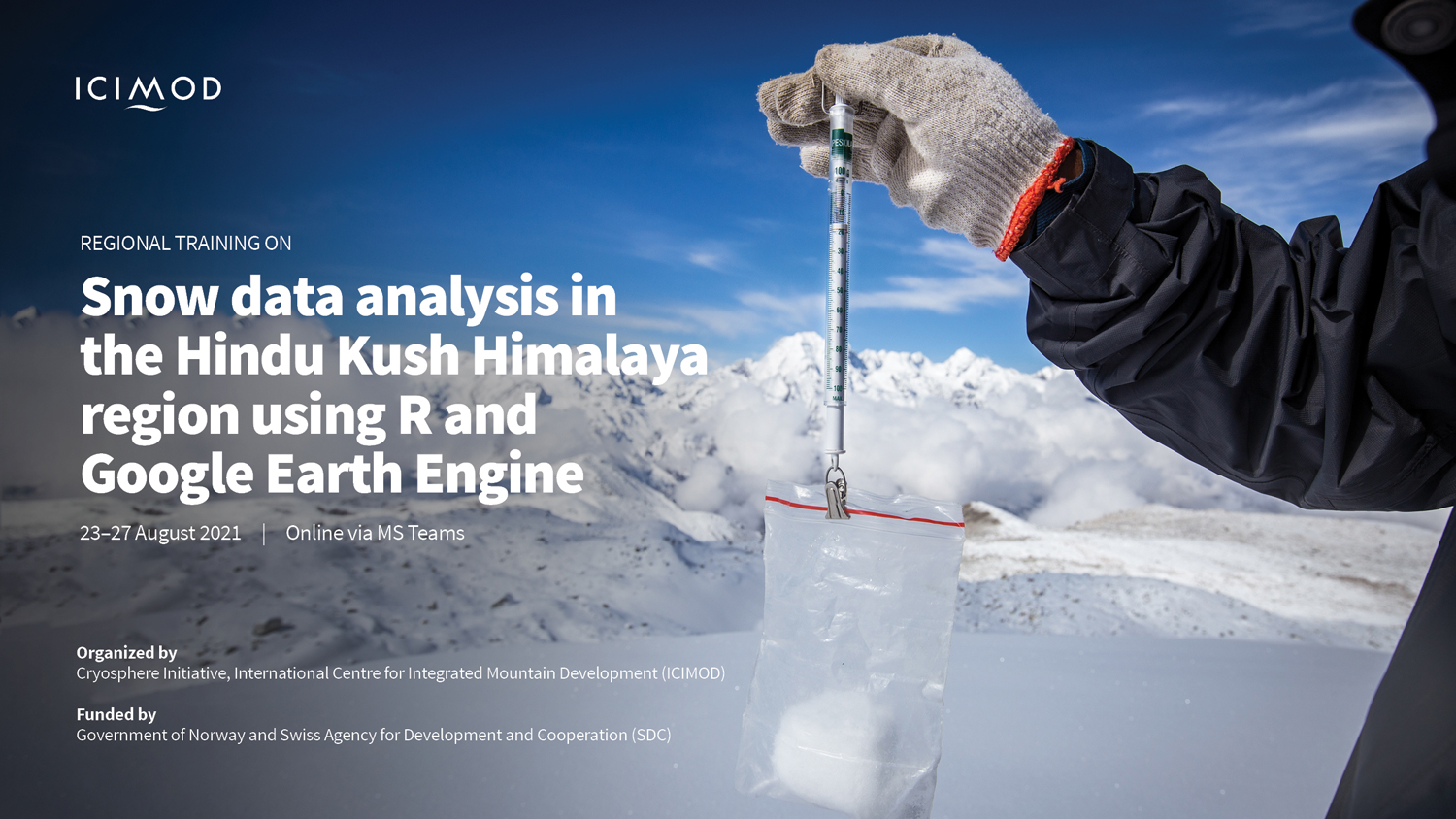
WEM Student Shares Experience of Regional Training on Snow Data Analysis Organized by ICIMOD
Water Engineering and Management (WEM) student Ms. Pragya Pradhan shares her experience participating in regional training on “Snow data analysis in the Hindu Kush Himalaya Region using R and Google Earth Engine” organized by International Centre for Integrated Mountain Development (ICIMOD) from 23-27 August 2021. Pragya writes:“I had a great, [...]
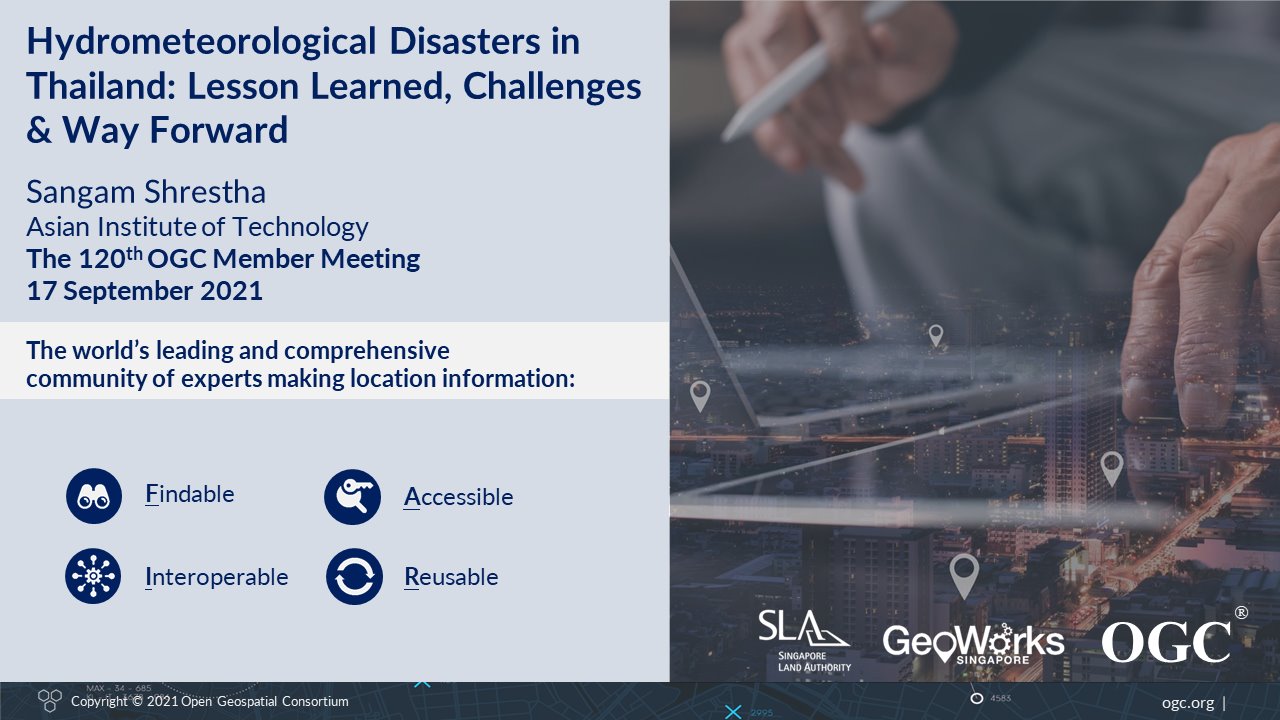
Prof. Sangam Shrestha Delivered Keynote at the OGC Asia Forum 2021
Prof. Sangam Shrestha delivered a keynote on ‘Hydrometeorological Disasters in Thailand: Lesson Learned, Challenges & Way Forward’ at the Open Geospatial Consortium (OGC) Asia Forum 2021 on 17 September 2021. The forum was organized in Singapore Geospatial Festival 2021 to learn more about emerging standards and [...]
RESEARCH PROJECTS AND OUTPUTS
RESEARCH PROJECTS
PUBLICATIONS
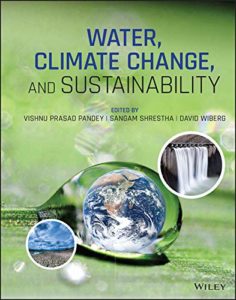
RESEARCH GROUPS
Centre for Water and Climate Adaptation (CWCA)
The Centre for Water and Climate Adaptation (CWCA) is a strategic initiative established under the Faculty of Civil and Environmental Engineering (FCEE) at the Asian institute of Technology (AIT) to tackle water and climate-change related challenges in the Asia-Pacific region and beyond. Leveraging AIT’s unmatched technical expertise, the center focuses on research, capacity building, and consulting. In the face of increasing climate impacts, the CWCA stands as a beacon for sustainable solutions, aligning with international efforts and the broader goals of climate resilience and water security.
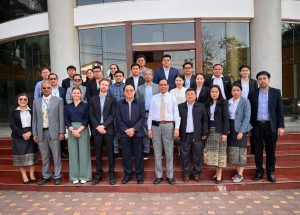
Global Water and Sanitation Center (GWSC)
GWSC is a partnership between the Bill and Melinda Gates Foundation and Asian Institute of Technology to host and mainstream Citywide Inclusive Sanitation initiative (CWIS) in Asia. It aims to consolidate ongoing sanitation initiatives and pioneer new projects that promote CWIS-based sanitation in Asia through Technical Assistance Program, Center of Excellence for Public Data Initiative, and Laboratory Services.
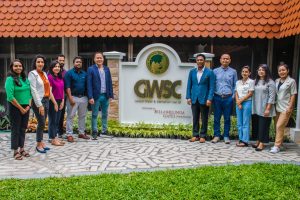
Asian Land Information for Climate and Environmental Research Laboratory (ALICE-Lab)
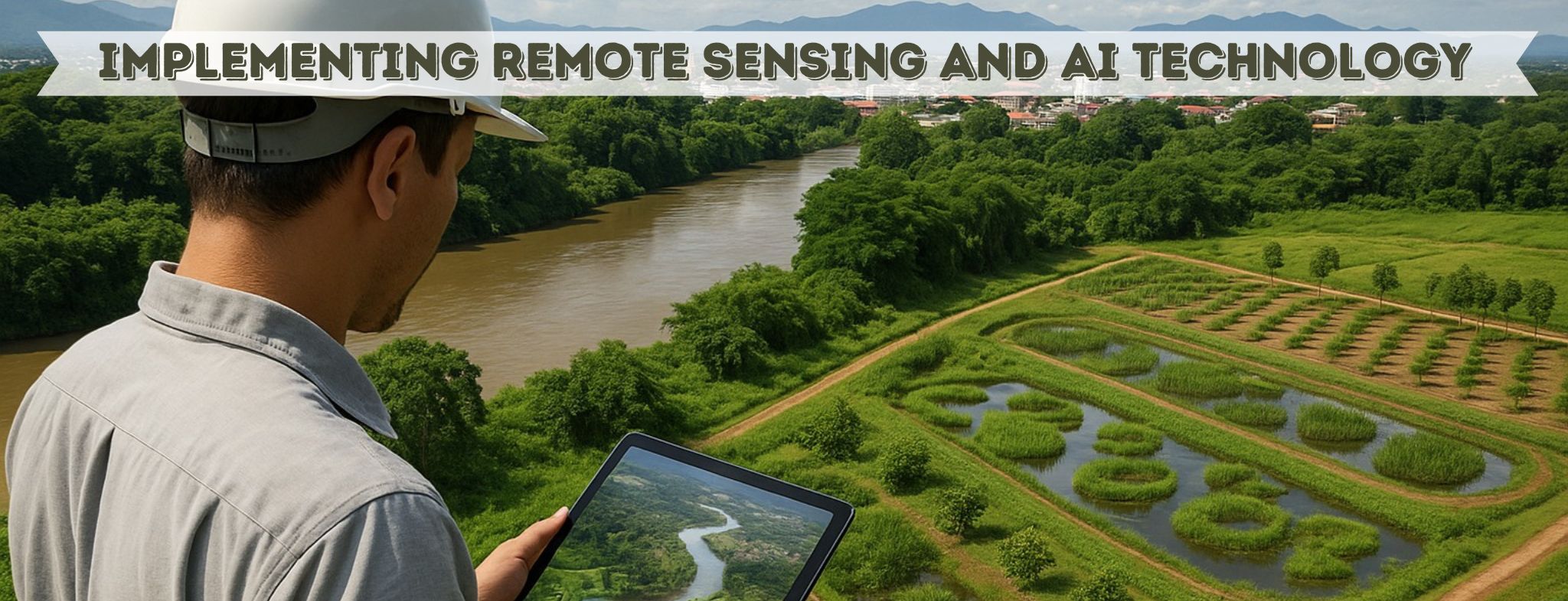
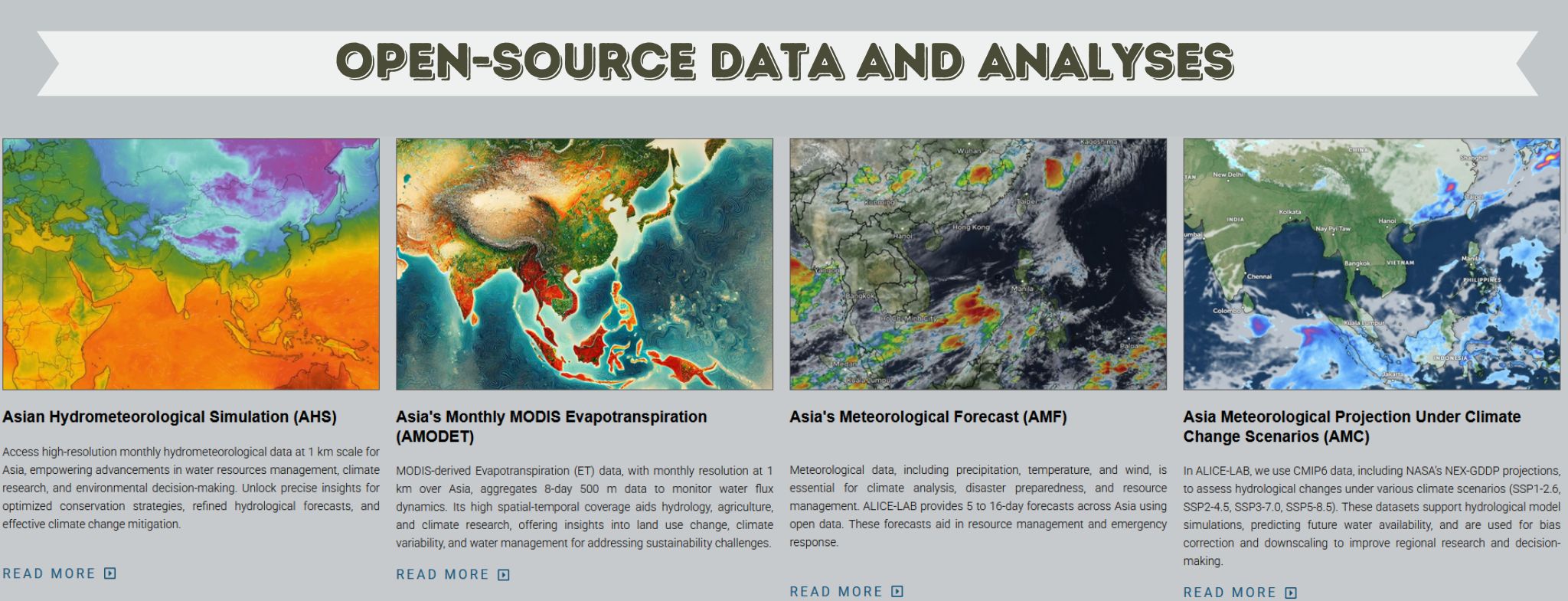
The ALICE laboratory is dedicated to pioneering scientific research in climate, hydrology, environment, and agriculture in Asian regions, which historically deprived of crucial data. Our team prioritize the integration of advanced methodologies such as hydrology and land surface modeling, remote sensing, artificial intelligence (AI), data assimilation, and computational hydrology (via high-performance computing; HPC) to overcome data scarcity challenges. Our mission is to not only collect and analyze high-quality data but also to develop innovative techniques that enhance our understanding of the intricate relationships between climate, hydrological processes, and agricultural systems. By harnessing the power of cutting-edge technologies and fostering interdisciplinary collaboration, we aim to fill knowledge gaps, empower decision-makers, and drive sustainable development in data-sparse areas worldwide. Join us as we embark on a journey to revolutionize scientific research and create positive impact in communities facing data scarcity challenges.

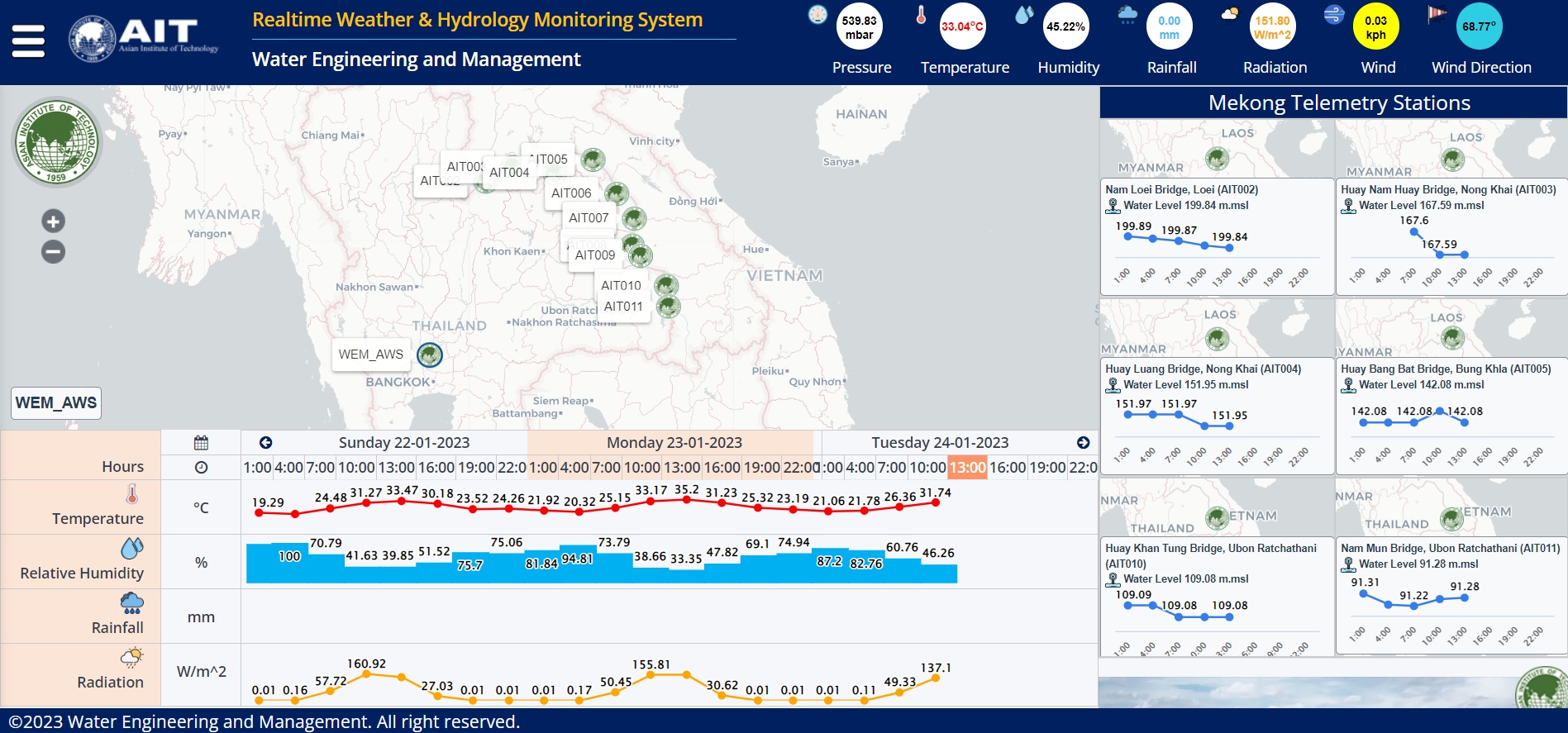
WEATHER & HYDROLOGY MONITORING SYSTEM
REALTIME WEATHER & HYDROLOGY