

Chiang Rai, 24 September 2026 – The delegation from the Asian Institute of Technology, under the leadership of Asst. Prof. Natthachet Tangdamrongsub, hosted the Policy Consultation Workshop “Nature-based Solutions to Enhance Water Security in Chiang Rai Province” (แนวทางแก้ไขปัญหาโดยใช้ธรรมชาติเป็นฐาน (Nature-based Solution) เพื่อเสริมสร้างความมั่นคงด้านน้ำในจังหวัดเชียงราย). This workshop was organized in collaboration with the Faculty of Political Science, Thammasat University, the Sustainable Finance Institute – University of Economics – Ho Chi Minh city, and the Department of Civil Engineering – Rangsit University. This workshop was organized under the auspice of the Asian Pacific Network for Global Change Research (APN-CPR) through the research project “Evaluation of Nature-based Solutions for the enhancement of urban water security in South-East Asian cities“.
The workshop covered multiple impactul activities such as in-depth presentation on the implementation of Nature-based solutions (NBS) in Chiang Rai province, sustainable development situations and focuses in Thailand, and brainstorming the potential policy strategies to enhance the adoption of NBS for the people of Chiang Rai.
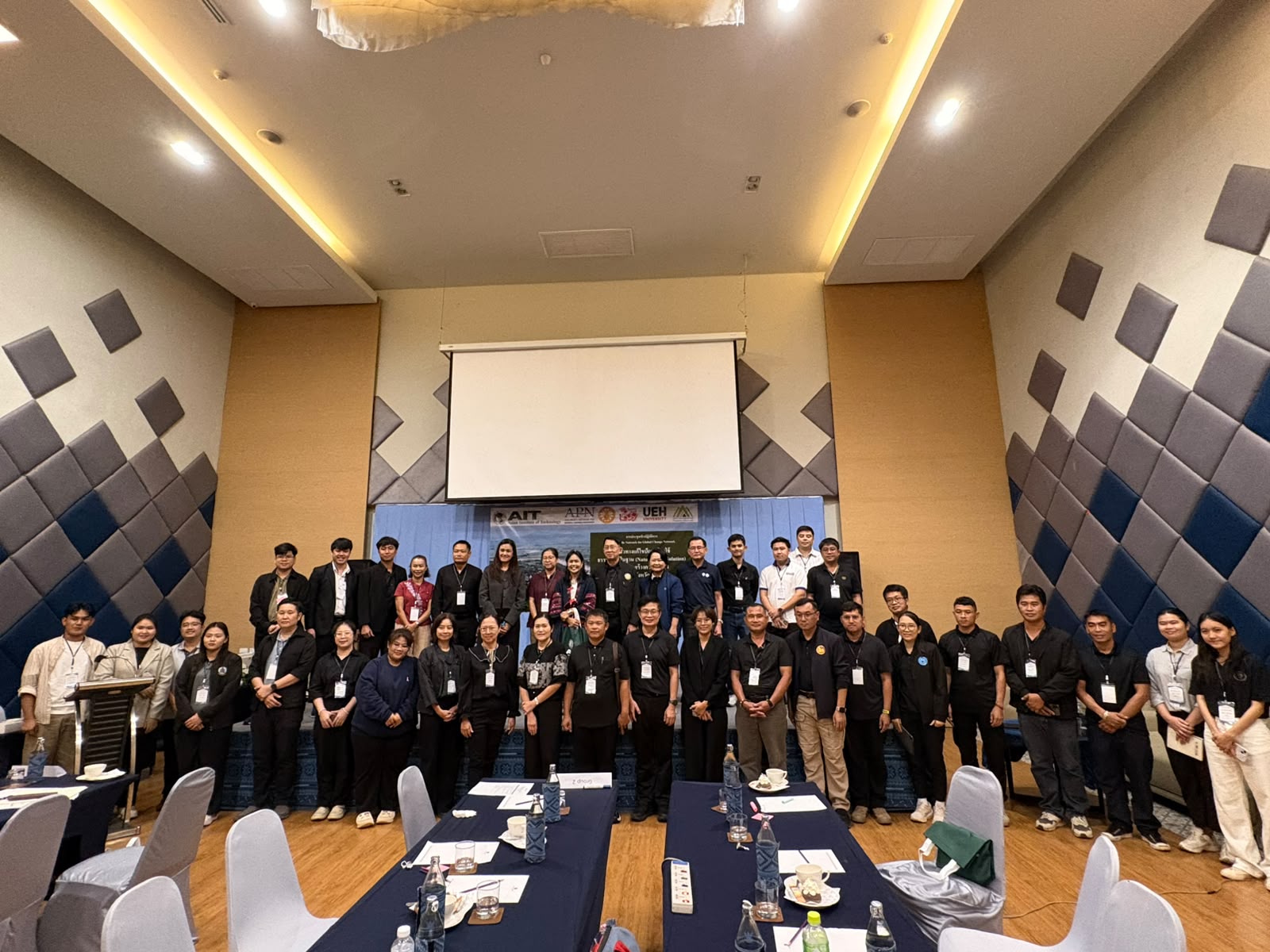
Participants at the Policy Consultation Workshop “Nature-based Solutions to Enhance Water Security in Chiang Rai Province”
The workshop was inaugurated by Police Lieutenant Colonel, Dr. Thanarat Chongsuthanamanee, Member of Parliament for Chiang Rai Province, Constituency 1 who highlighted the high social and environmental impacts of Nature-based Solutions (NBS) in Thailand, especially in Chiang Rai Province. The workshop was also graced by the representative of the office of Senator Maneerat Khemawong, representing Chiang Rai Province and small and medium-sized enterprises (SMEs), and Ms. Promporn Chindawong Netrahan, the Chief Executive Officer (CEO) of Chiang Rai City Development Company Limited (CRCD) and the main coordinator (Focal Point) at UNESCO Creative Cities Network (UCCN).
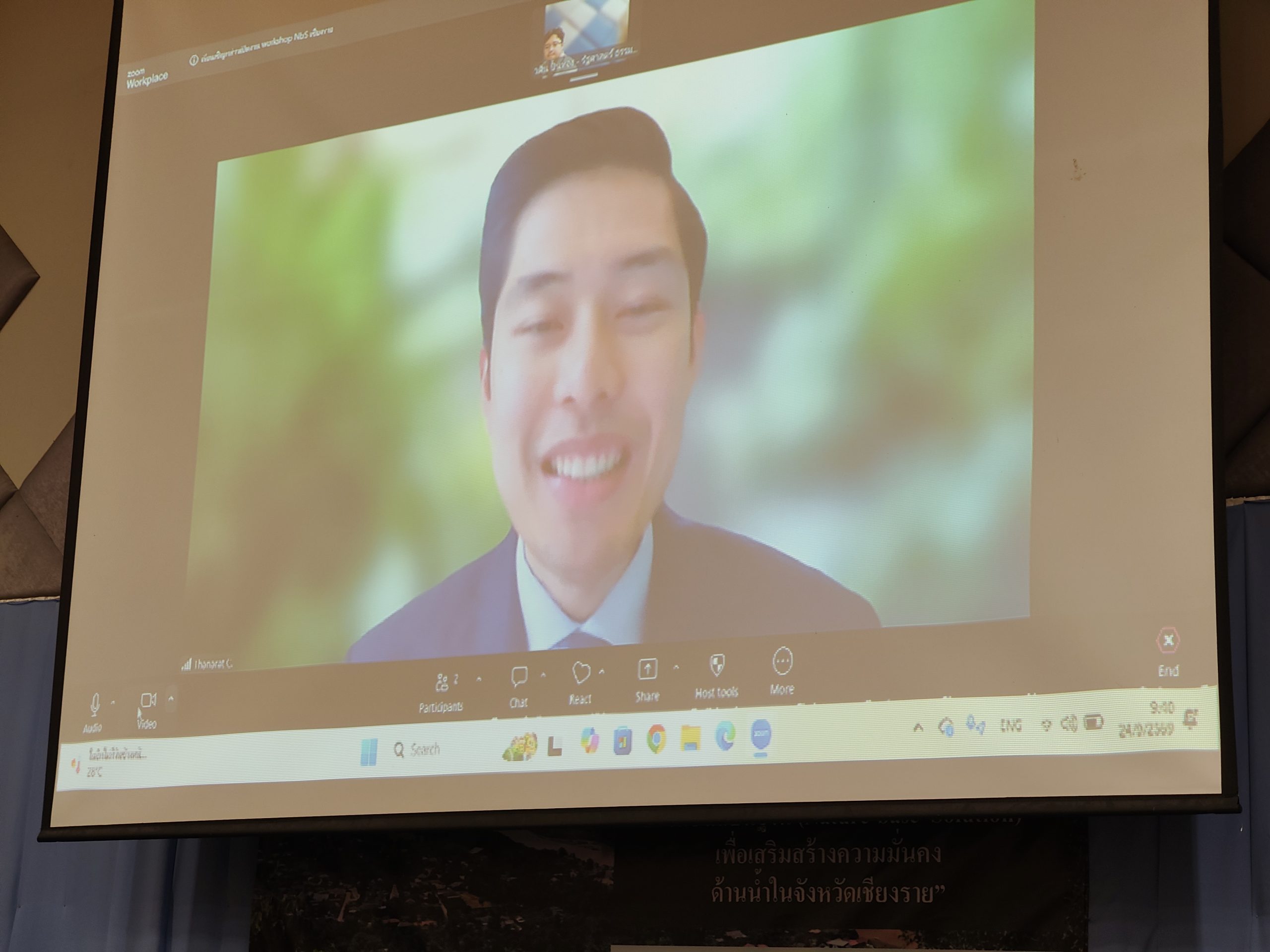
Dr. Thanarat Chongsuthanamanee, Member of Parliament for Chiang Rai Province, Constituency 1, delivering the opening remarks via Zoom
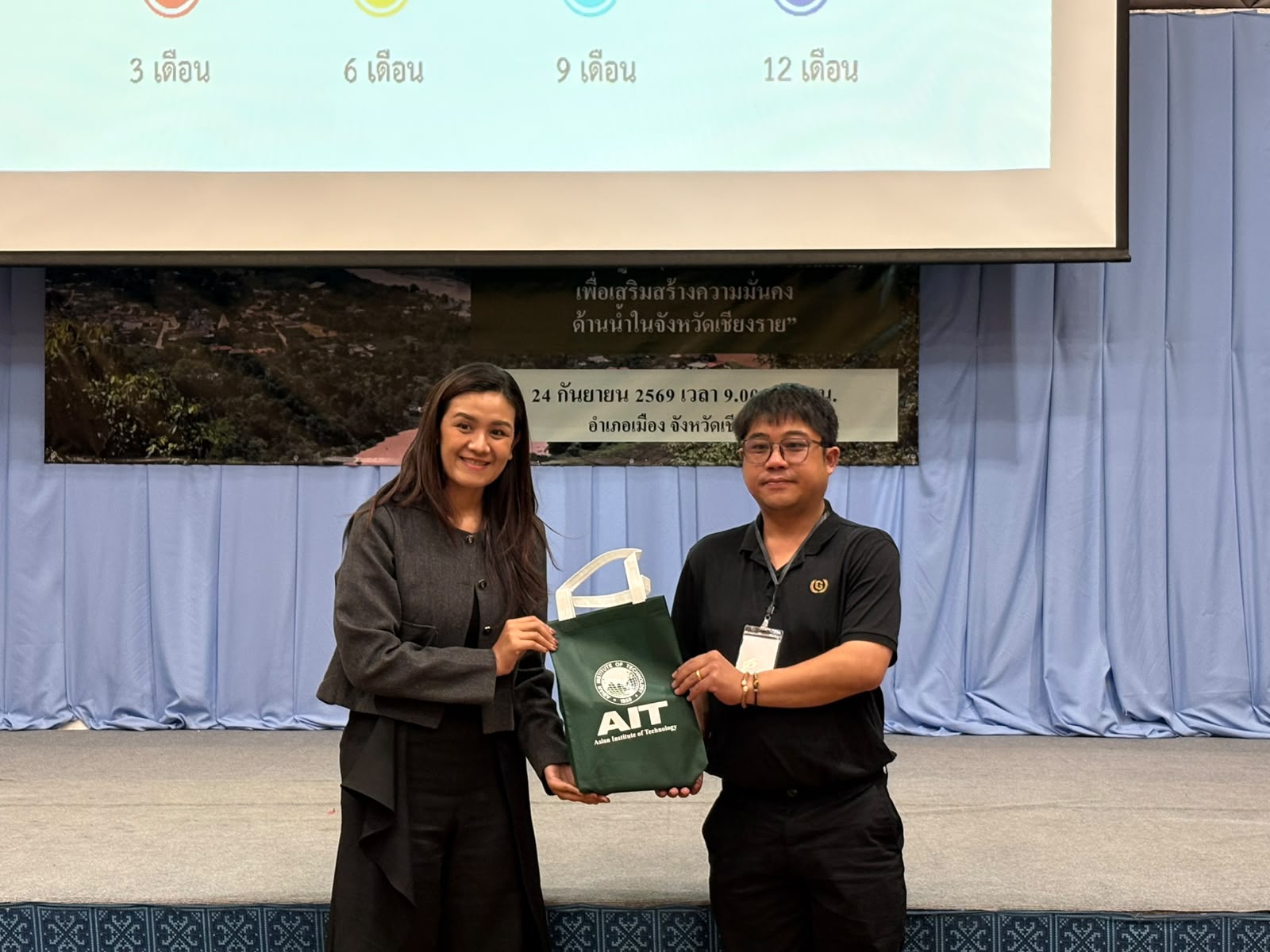
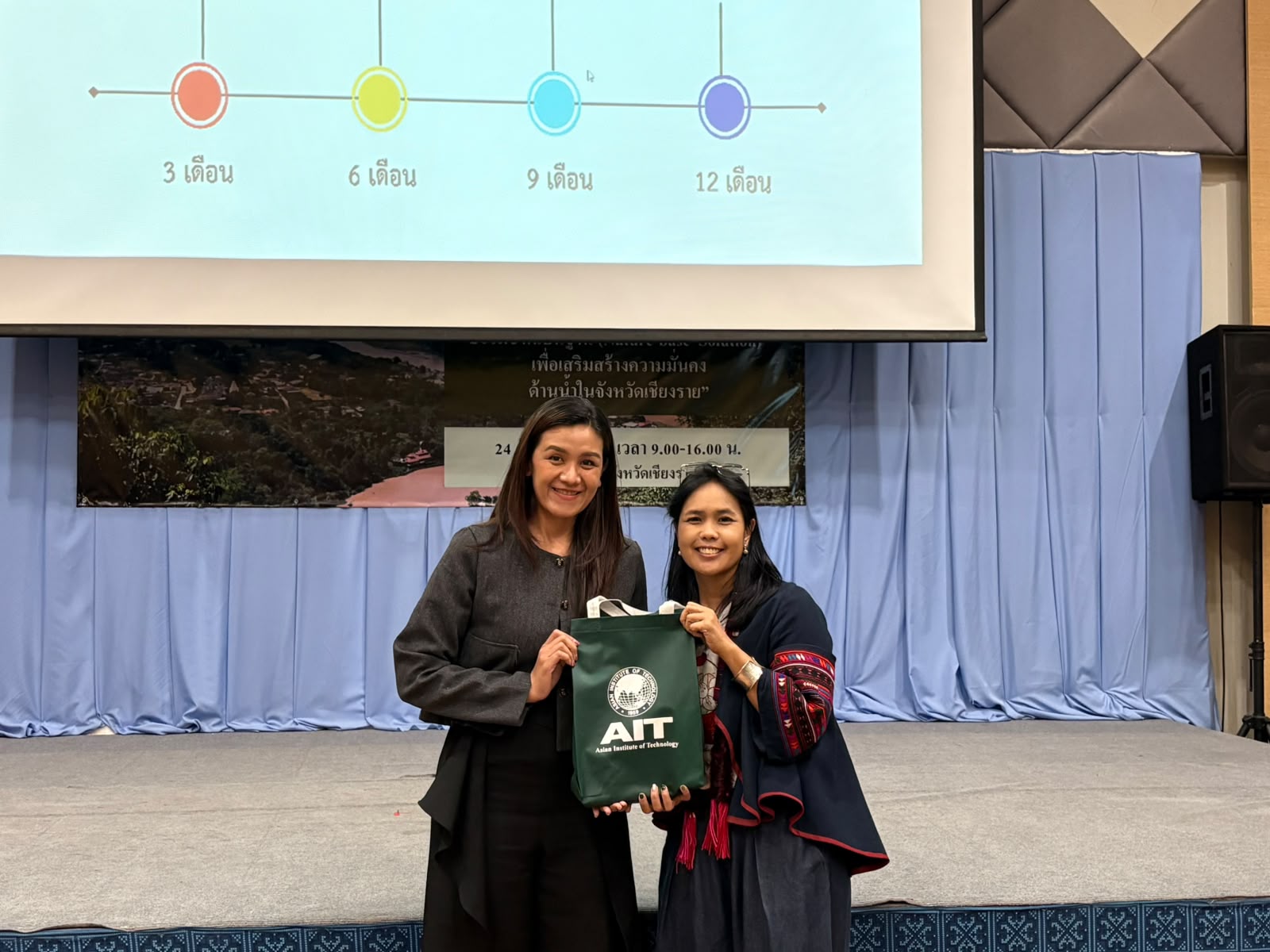
Ms. Thayika Chanthep (Pui), Senior Innovation Counsellor, NIA Academy, presented the tokens of appreciation to the representative of the office of Senator Maneerat Khemawong, and to Ms. Promporn Chindawong Netrahan.
The AIT delegation was grateful to receive interest and support from more than 30 representatives of more than 20 agencies and organizations, which represented both public and private sectors in Chiang Rai province. These included representatives from the International Organization for Conservation of Nature (IUCN), Chiang Rai Chamber of Commerce; Rajamangala University of Technology Lanna, Chiang Rai; Mae Fah Luang University; Administrative Organizations of multiple districts in Chiang Rai; and, several polical and special interest groups.
Delegates Visiting Implementation Sites
The workshop was followed by two visits by the delegates to two locations in vicinity of Chiang Rai City where Nature-based solutions, specifically Floating Garden The first one was the Chainarai Riverside Recreation Centre Chiangrai, established on the land endowment of the 37th Military District of the Royal Thai Army, and evaluated to have strong potential for future implementation of NbS. The second was at Princess Chulabhorn Science High School, where a Floating Garden had been installed since June 2026 and found to have positive effects on the nutrient pollution control in the water.
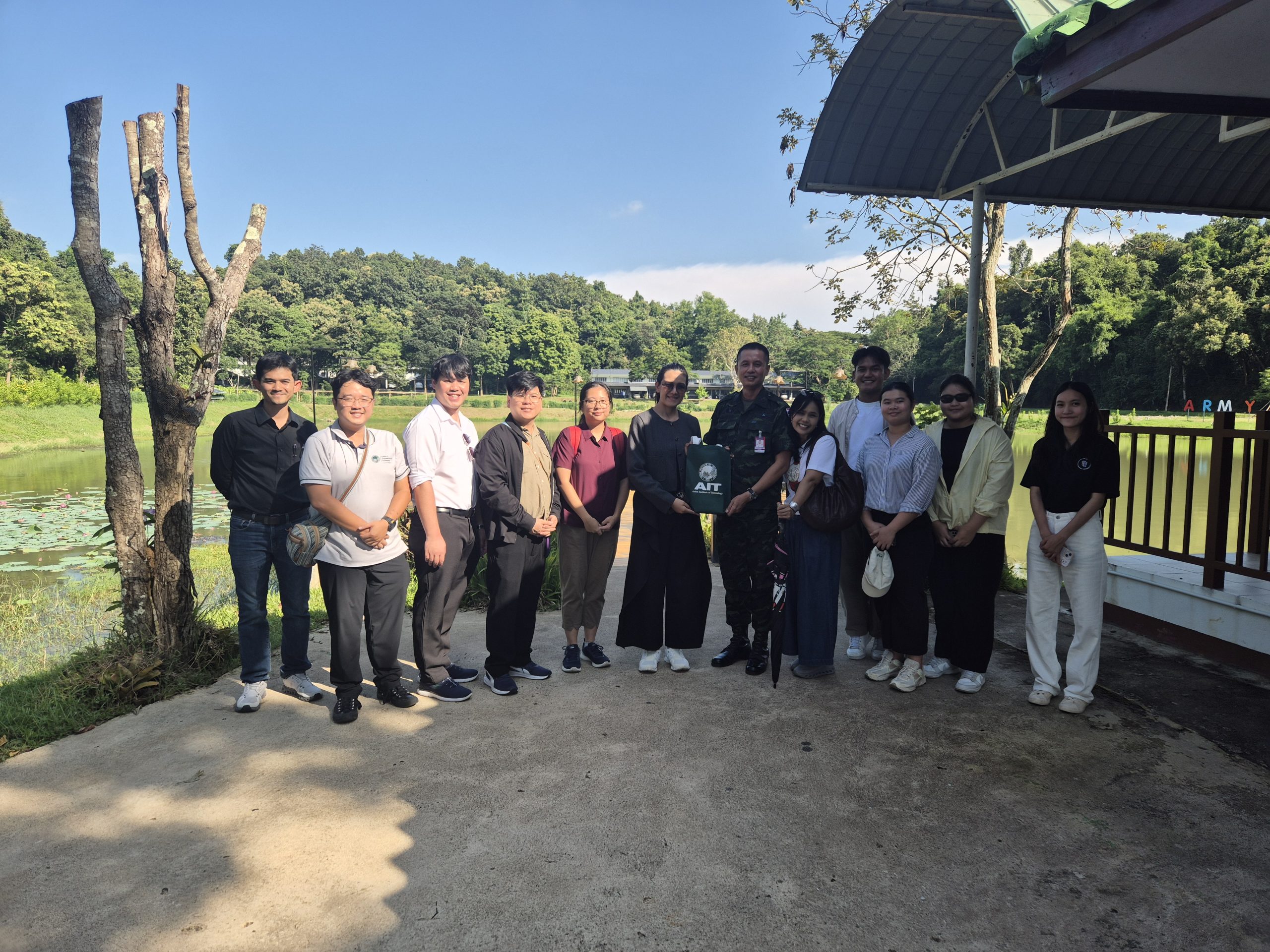
The AIT delegation presenting token of appreciation to the Chief of Staff of the 37th Military District (37th Military District) of the Royal Thai Army, Colonel Pranot Siriphan
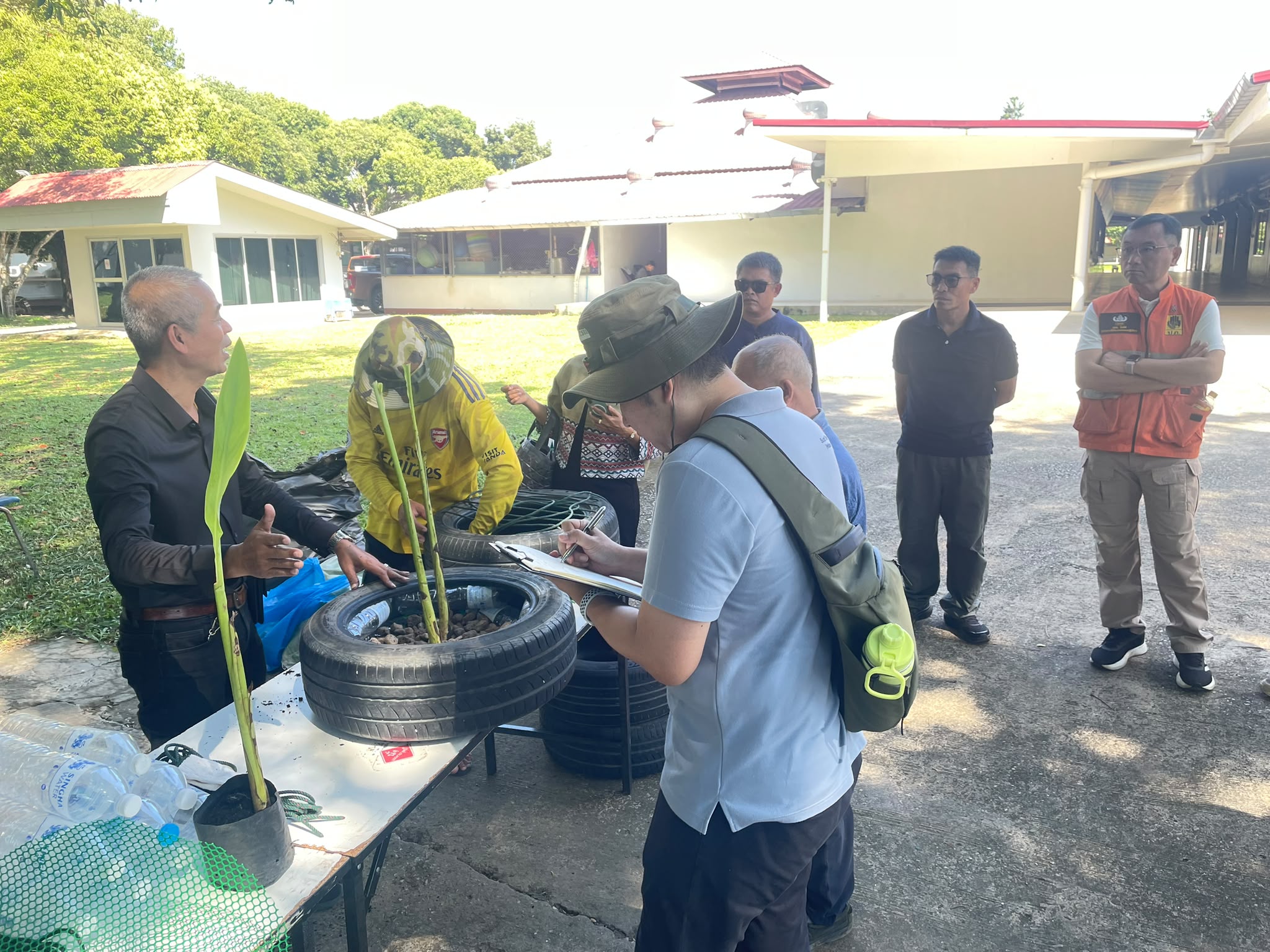
Delegates learning how to make Floating Garden at Princess Chulabhorn Science High School
At the Princess Chulabhorn Science High School, the delegates were shown on a step-by-step guide on how to make the Floating Garden devices, using readily available and recyclable materials from Chiang Rai. This was followed by an in-depth Q&A session in which delegates expressed their interests in implementing this design, along with appropriate adjustments, to address water quality issues in their localities. Moreover, they offered comprehensive inputs on how to attract community members, especially young people, in joining similar implementation initiatives, and on how to monitor the continuous effects of NbS for extended periods of time.
Evaluation of Nature-based Solutions for the enhancement of urban water security in South-East Asian cities
This project investigates water security challenges in three Mekong Delta cities (Chiang Rai, Can Tho, Phnom Penh) through a four-part approach. Part I analyzes current water situations and potential deficits using climate change impact assessment and water balance analysis. Part II explores Nature-Based Solutions (NBS) for improved water security. Part III develops a framework to evaluate water security in each city, with a focus on environmental and socio-economic factors. This will involve utilizing the WATSAT tool to assess water security levels and model the potential impacts of selected NBS interventions. Finally, Part IV focuses on capacity building and knowledge sharing. This involves identifying capacity gaps within government agencies, developing recommendations for NBS implementation, compiling successful NBS case studies, organizing a workshop to share findings and develop policy recommendations for enhancing water security in the Mekong Delta region.
For more information: CLICK HERE!