Thai Water Expo 2026
Next-Generation Water Solutions for a Changing Climate

Bangkok, Thailand – On 1 July 2026, the Water Engineering and Management (WEM) Program of the Asian Institute of Technology (AIT) organized an international seminar titled “Next-Generation Water Solutions for a Changing Climate” as part the seminar series at the Thai Water Expo 2026 (thai-water.com), the most comprehensive exhibition of water technology and innovation in ASEAN, at the Queen Sirikit National Convention Center (QSNCC).
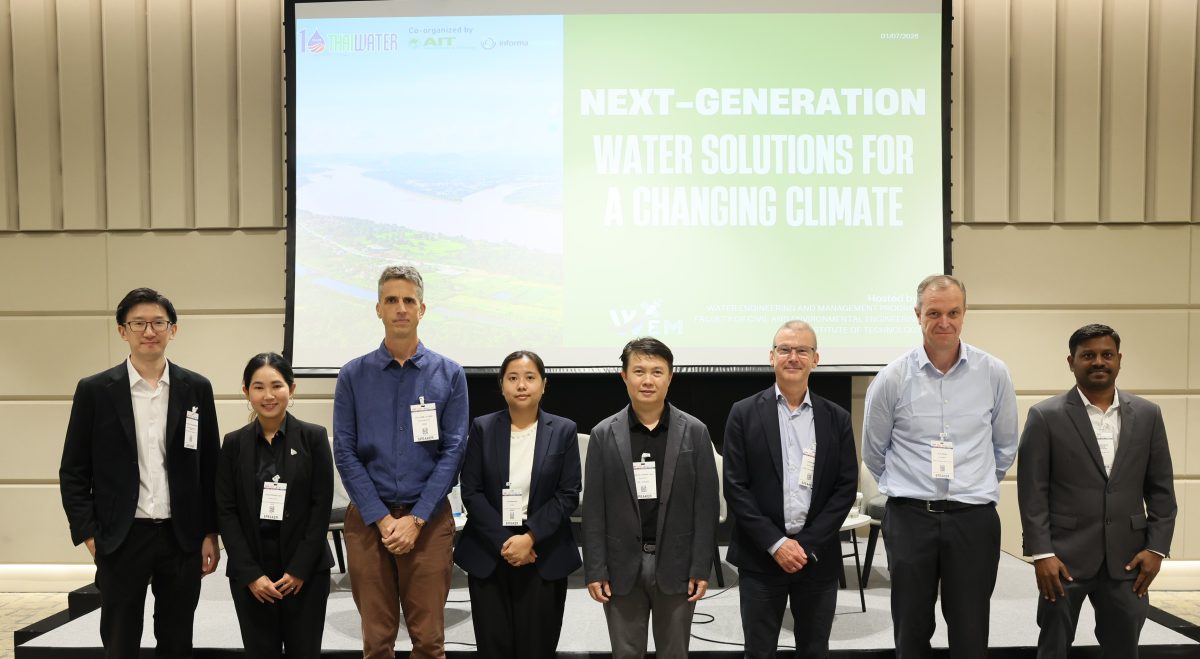
Experts from Academia, Industry and International Organization participated in the session sharing their insights for sustainable water solutions
The event provided a timely platform for experts from academia, industry, and development organizations to exchange knowledge on emerging challenges and future directions in water engineering and management. With climate change intensifying water-related risks across the region, the seminar focused on how next-generation tools, interdisciplinary education, and practical professional skills can support more sustainable and resilient water solutions.
The session opened with welcome remarks by Dr. Natthachet Tangdamrongsub, Assistant Professor and Academic Program Chair of the WEM Program, Faculty of Civil and Environmental Engineering, AIT. In his remarks, he emphasized that the WEM Program’s role extends beyond teaching, highlighting its active collaboration with universities, government agencies, and international partners. He also encouraged participants to actively engage in the seminar and make use of the session as a platform for meaningful knowledge exchange.
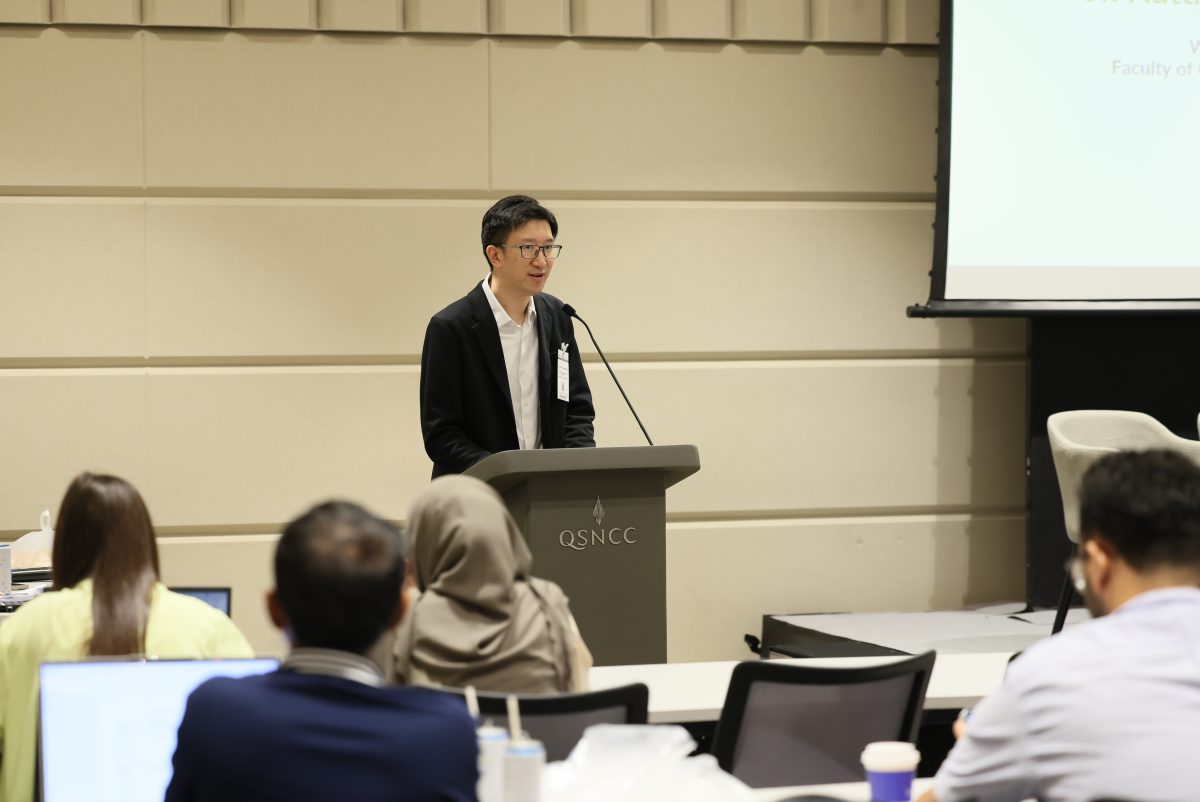
Dr. Natthachet Tangdamrongsub delivering opening remarks
The seminar featured two invited speaker sessions. The first featured speaker was Ms. Chinaporn Meechaiya, Technical Analyst in Climate Risk and Vulnerability at the Asian Disaster Preparedness Center (ADPC). Her presentation brought an important disaster risk and climate vulnerability perspective to the discussion. She highlighted the persistent gap between scientific data and decision-making, noting that technical information is often not translated effectively for decision makers. As a way forward, she emphasized the importance of impact-based forecasting, where communication moves beyond simply reporting expected water levels to explain what a specific water level could cause, who may be affected, and how much time decision makers have to act before a hazard occurs. She also highlighted the potential of AI agents to support non-technical stakeholders by enabling them to interact with risk information databases using simple, natural language.
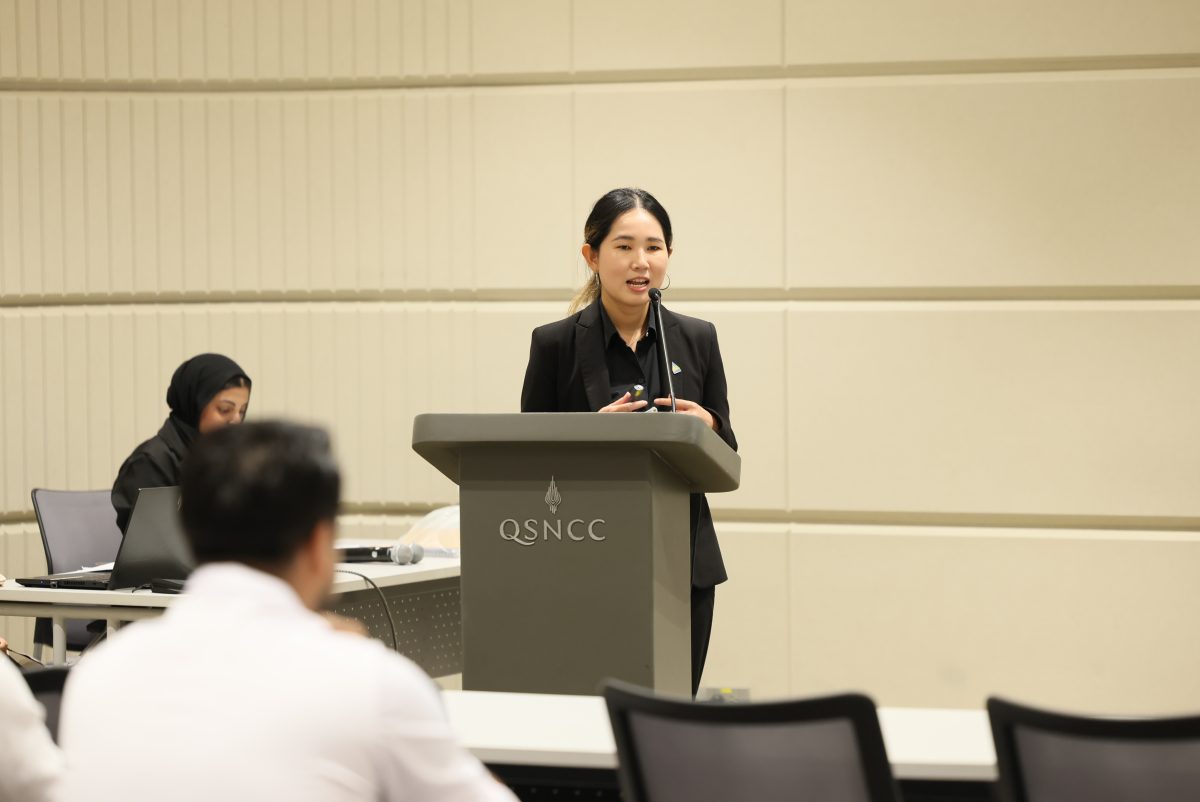
Ms. Chinaporn Meechaiya speaking on bridging the gap between scientific data and decision-making
The second featured session was delivered by Mr. Oluf Jessen, Vice-President for Global International Development at the Danish Hydraulic Institute (DHI), together with Mr. Jesper Dørge, Project Director for Marine Infrastructure and Coastal Development at DHI. Their presentation connected the seminar theme with DHI’s international experience in hydraulic engineering, coastal infrastructure development, and applied water solutions, while also emphasizing the importance of working in harmony with nature-based solutions. They highlighted that, in the current era of AI, artificial intelligence can play a valuable role in refining physically based models and improving forecast accuracy. This is particularly important as extreme weather events are becoming more frequent, creating a growing need for more reliable, timely, and actionable water-related forecasts.
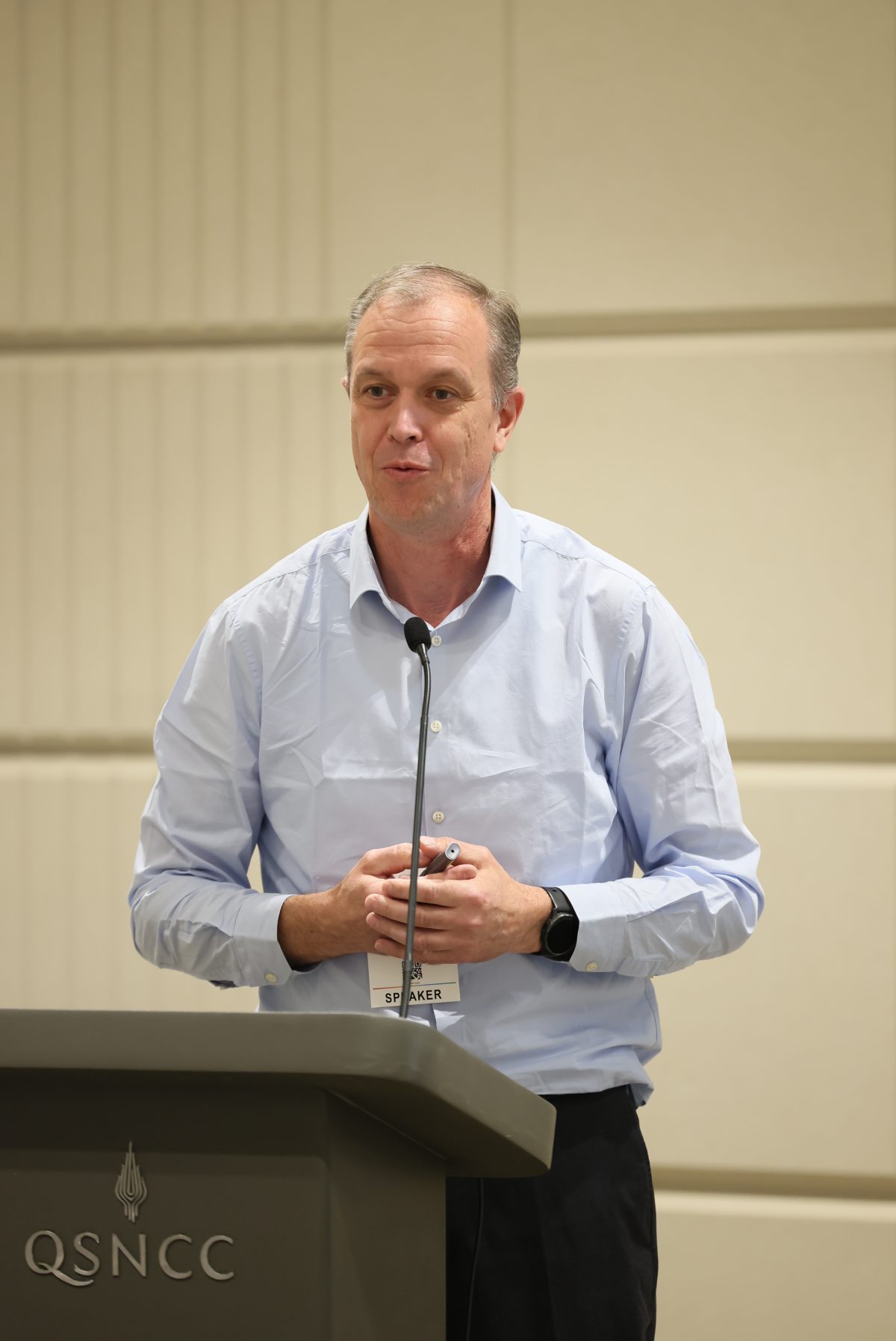
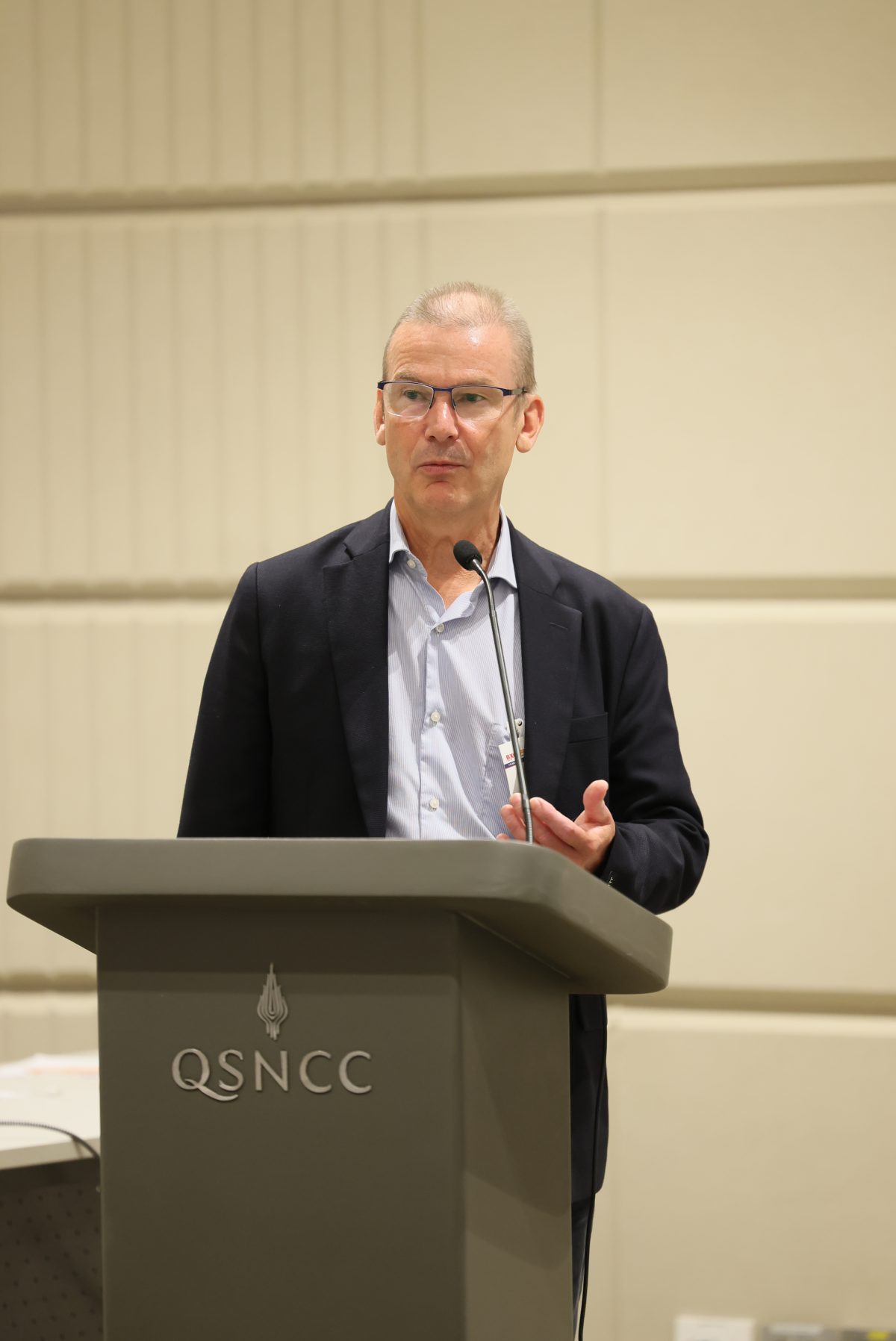
Mr. Oluf Jessen and Mr. Jesper Dørge, sharing their international experiences on hydraulic engineering, coastal infrastructure development, and applied water solutions
A major highlight of the event was the panel discussion titled “Beyond the Classroom: How Education is Shaping Tomorrow’s Water Solutions.” The discussion was moderated by Mr. Hoang Minh “Thomas” Nguyen, PhD Candidate in the WEM Program at AIT. The panel brought together experts from diverse institutions, including Dr. Seree Supratid, Associate Professor and Director of Climate Change and Disaster Center, from Rangsit University, Dr. Guillaume Lacombe, Senior Researcher in Hydrology and Water Management from Centre de coopération Internationale en Recherche Agronomique pour le Développement (CIRAD), Dr. Pyae Mon Naing, Lecturer from Rangsit University, and Dr. Somchai Chonwattana, Senior Expert from DHI Thailand. Together, the panelists discussed how water education can better prepare future professionals to respond to complex climate-related water challenges.
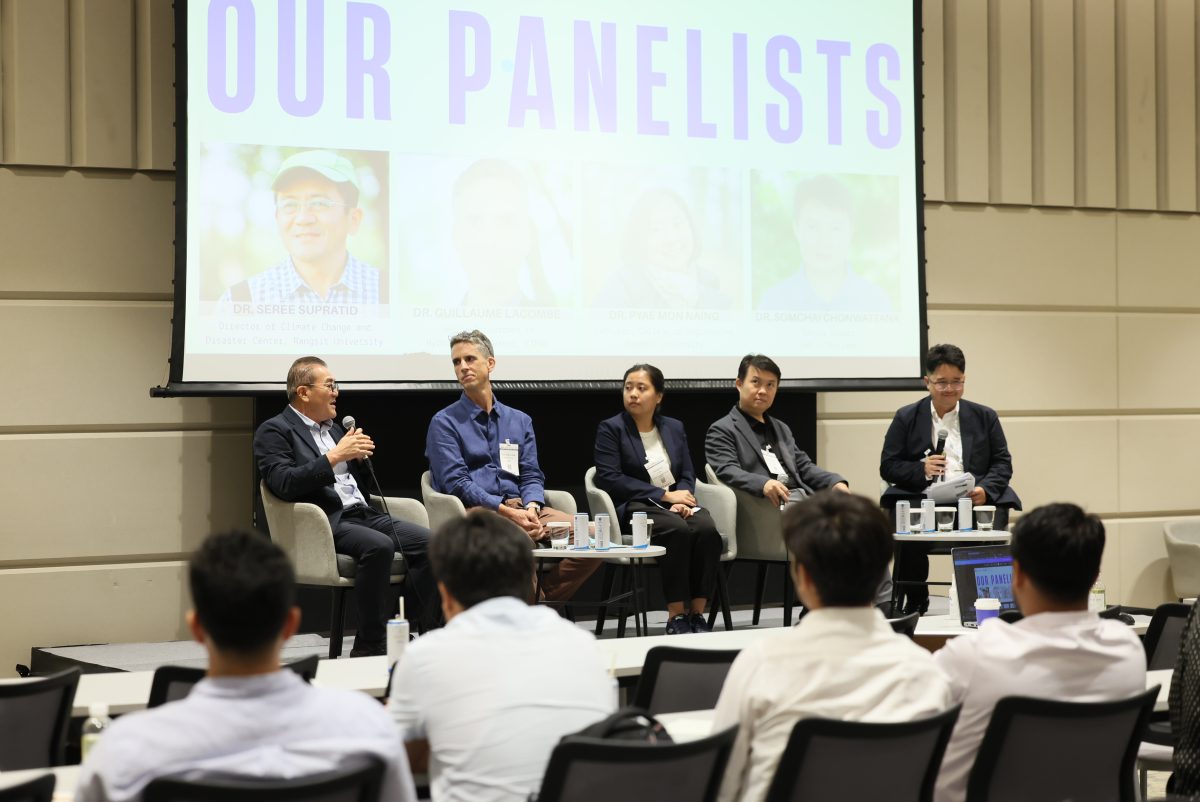
Panel members sharing insights on the skills future water professionals need to address real-world challenges that are increasingly intensifying with climate change.
The panel discussion highlighted three key messages for preparing future water professionals. First, water education must move beyond disciplinary boundaries by integrating water science, computing tools, systems thinking, nexus thinking, and uncertainty management, while helping students understand the interactions between natural and human systems. Second, although AI, machine learning, remote sensing, and large datasets are becoming increasingly important for forecasting, predictive modelling, water scarcity assessment, and real-time analysis, these tools should support rather than replace strong fundamentals in hydrology and hydraulics, and their outputs must be validated through expert judgment and physical-based understanding. Third, students need greater exposure to real-world problems through field experience, industry collaboration, stakeholder engagement, and international partnerships, as future water challenges require not only technical expertise but also communication skills, adaptability, ethical awareness, and the ability to explain uncertainty to non-technical decision makers.
The seminar also included a networking break and an interactive Q&A session, allowing participants to engage directly with the invited speakers and panelists. These discussions encouraged knowledge exchange between students, researchers, practitioners, and industry professionals.
The event concluded with remarks by Dr. Mohana Sundaram Shanmugam, Assistant Professor of the WEM Program, Faculty of Civil and Environmental Engineering, AIT. He acknowledged the contributions of all speakers and panelists, thanking them for sharing valuable insights on how future water professionals can prepare to develop and apply next-generation water solutions in a changing climate. Building on the ideas shared throughout the seminar, he highlighted the importance of advancing climate-resilient water solutions through resilience, open data, and stronger collaboration among universities, industry, governments, and international partners. He further underscored that although tools such as remote sensing and other digital technologies are becoming increasingly important, their effective use must be grounded in strong fundamentals, critical thinking, and domain expertise. He concluded by emphasizing that research and innovation should go beyond technical development by supporting policymakers, strengthening communication, and preparing future generations to address complex water challenges with confidence and impact.
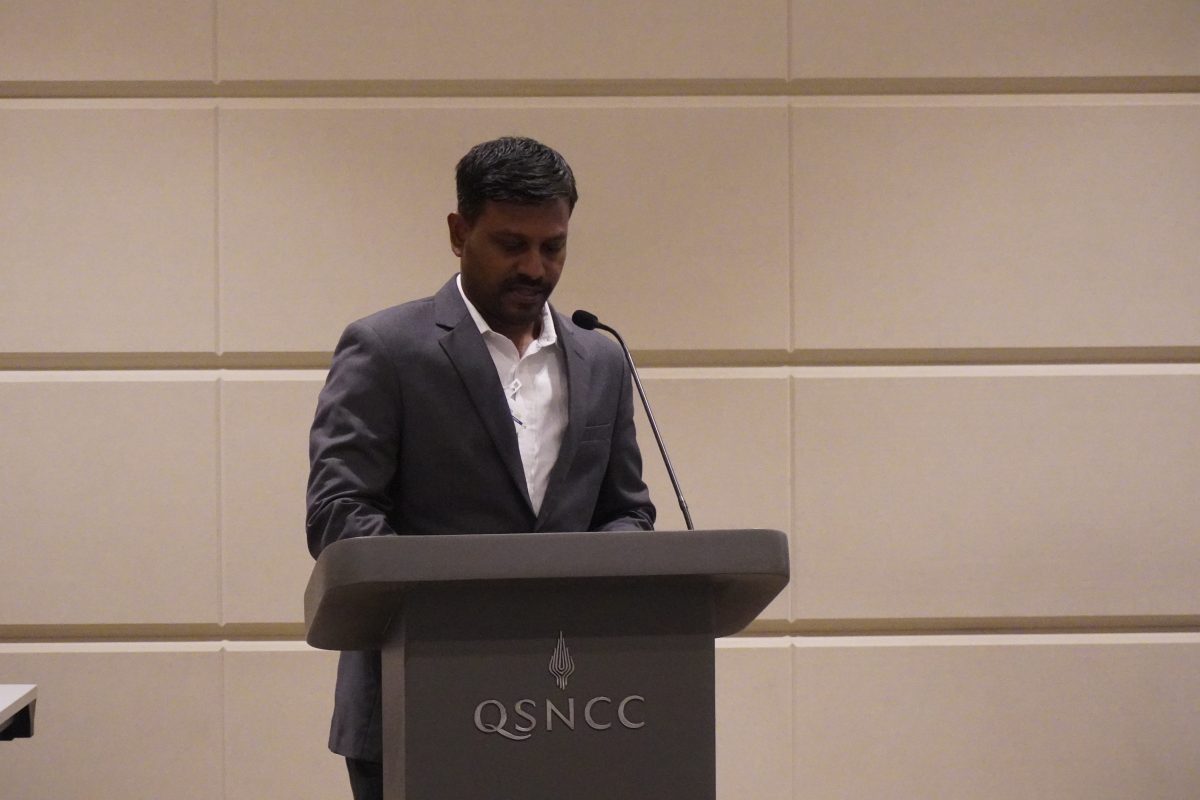
Dr. Mohana Sundaram Shanmugam delivering closing remarks
Overall, the seminar closely aligns with several key United Nations Sustainable Development Goals (SDGs), particularly SDG 6: Clean Water and Sanitation, SDG 13: Climate Action, and SDG 17: Partnerships for the Goals. By focusing on next-generation water solutions, climate-resilient forecasting, sustainable water infrastructure, and the role of AI and digital technologies in water management, the seminar directly supports efforts to improve water security and strengthen climate adaptation. Its emphasis on preparing future water professionals through interdisciplinary education, practical skills, stakeholder engagement, and industry–academia collaboration also contributes to SDG 4: Quality Education and SDG 9: Industry, Innovation and Infrastructure. Moreover, discussions on coastal protection, disaster preparedness, and resilient urban water systems reflect the seminar’s relevance to SDG 11: Sustainable Cities and Communities, highlighting its broader contribution to building a more sustainable and climate-resilient future.